
Effective Snoring Treatment in Republic, MO for Better Sleep
 By
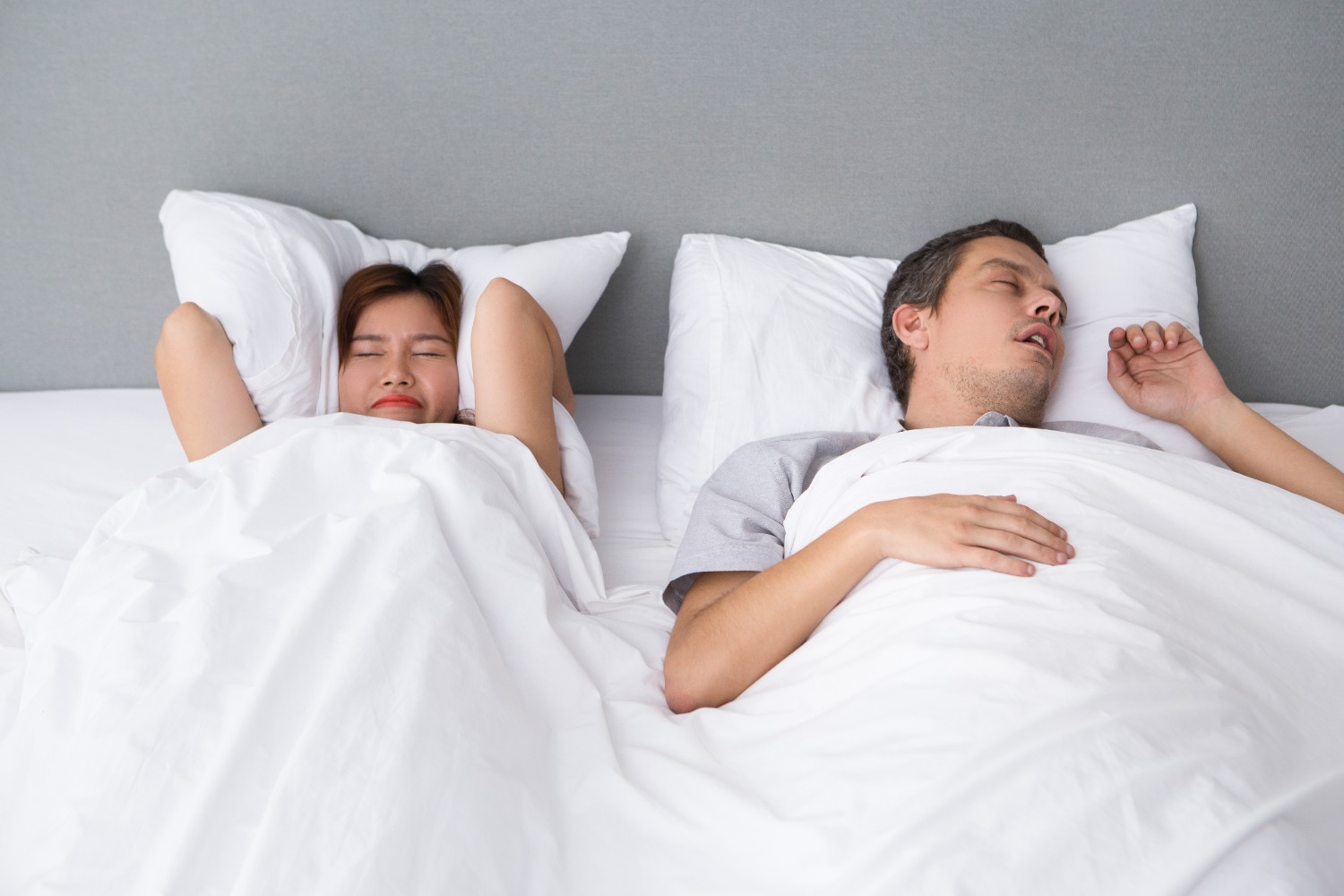
Snoring can disrupt a peaceful night’s sleep, leave you feeling tired during the day, and affect the quality of rest for your partner. While occasional snoring is common, frequent or loud snoring may indicate an underlying breathing problem that needs attention. Understanding its causes can help you identify suitable treatment options and take steps towards healthier sleep.
For people searching for Snoring Treatment in Republic MO, it is important to understand how snoring relates to obstructive sleep apnea. Snoring occurs when air passes through a narrowed airway, causing the surrounding tissues to vibrate. When the airway repeatedly narrows or collapses during sleep, breathing may become interrupted, which can be a sign of obstructive sleep apnea.
At Smiles Above The Rest, patients can explore dental approaches to sleep apnea management, including oral appliance therapy for suitable candidates. Learning about the causes of snoring, recognising warning signs, and understanding available treatments can help you make informed decisions about your sleep health.
Understanding the Causes of Snoring
Snoring develops when airflow through the upper airway becomes restricted during sleep. As the muscles in the throat relax, the tongue and soft tissues may move towards the airway, making the passage narrower. Air moving through this restricted space causes vibrations that produce the sound of snoring.
Several factors can contribute to the problem, including sleeping on your back, nasal congestion, alcohol consumption before bedtime, excess weight, and certain anatomical features. Some people experience snoring because of a combination of these factors.
Occasional snoring does not automatically mean that a person has a sleep disorder. However, persistent snoring accompanied by gasping, choking, or pauses in breathing should not be ignored.
Understanding these contributing factors is an important first step when considering snoring treatment. The most appropriate approach depends on what is causing the problem, how frequently it occurs, and whether sleep apnea is present.
Recognising the Signs of Sleep Apnea
Obstructive sleep apnea is a sleep-related breathing disorder in which the upper airway repeatedly narrows or collapses during sleep. These interruptions can affect normal breathing, reduce sleep quality, and contribute to daytime fatigue.
Because these episodes occur while a person is asleep, they may not realise that their breathing is being disrupted. A partner or family member may be the first to notice loud snoring, irregular breathing, or periods when breathing appears to stop.
Other possible symptoms include:
- Waking up with a dry mouth or morning headache
- Feeling tired despite getting enough time in bed
- Experiencing excessive daytime sleepiness
- Having difficulty concentrating
- Waking suddenly with gasping or choking
- Feeling unrefreshed after a full night’s sleep
Not everyone who snores has sleep apnea, and some people with sleep apnea may not recognise their symptoms. If these signs occur regularly, a healthcare professional can determine whether further evaluation is needed.
Untreated obstructive sleep apnea is associated with health concerns such as high blood pressure and cardiovascular complications. It can also affect alertness, concentration, and everyday activities.
For individuals considering Snoring Treatment Republic MO, a proper assessment can help distinguish uncomplicated snoring from a sleep-related breathing disorder. A healthcare professional may recommend a sleep study to confirm the diagnosis and assess the severity of the condition.
Lifestyle Changes That May Help Reduce Snoring
Lifestyle adjustments can help some people manage snoring, particularly when the problem is related to sleeping habits, alcohol consumption, or nasal congestion. These measures can complement other treatments, but they are not a substitute for appropriate care when sleep apnea is suspected.
Adjust Your Sleeping Position
Sleeping on your back can allow the tongue and soft tissues at the back of the throat to move towards the airway. This may increase airflow resistance and make snoring more noticeable.
Sleeping on your side may help keep the airway more open in some individuals. A supportive pillow or positional aid may make it easier to maintain this position throughout the night.
People wondering how to not snore often begin by adjusting their sleeping habits. Although positional changes can be helpful in certain cases, they do not work for everyone and should not be considered a guaranteed remedy of snoring.
If snoring continues despite changing your sleeping position, professional assessment can help determine whether another factor is contributing to the problem.
Maintain a Consistent Sleep Schedule
Irregular sleep habits and insufficient rest can contribute to fatigue. Maintaining consistent bedtimes and waking times can support a healthier sleep routine and improve overall sleep quality.
Allowing adequate time for rest may also help reduce the effects of sleep deprivation. These habits can complement other approaches when looking for ways to prevent snoring, but they cannot guarantee that snoring will stop.
If snoring continues despite healthy sleep habits, Smiles Above The Rest can help you explore suitable treatment options and understand whether further evaluation for sleep-related breathing problems may be needed.
Be Mindful of Alcohol Before Bedtime
Alcohol can relax the muscles surrounding the upper airway, increasing the likelihood of airway narrowing during sleep. Drinking alcohol close to bedtime may therefore make snoring more noticeable in some individuals.
Reducing or avoiding alcohol before sleep may help when it is a contributing factor. Certain sedating medicines can also affect breathing, so patients should consult their healthcare professional before making changes to prescribed medication.
Although this adjustment may help some people, it is not a universal snoring cure. Persistent snoring or symptoms of sleep apnea require appropriate evaluation.
Address Nasal Congestion
Allergies, colds, and other nasal conditions can restrict airflow through the nose. When nasal breathing becomes difficult, some people may breathe through their mouths during sleep, which can contribute to snoring.
Managing allergies and seeking advice about persistent congestion may improve breathing comfort. A healthcare professional can recommend suitable options based on the cause of the obstruction.
Addressing nasal congestion may help answer what can prevent snoring when nasal blockage is involved. However, it will not necessarily resolve narrowing in the throat or treat obstructive sleep apnea.
Dental Oral Appliances for Snoring and Sleep Apnea
Dental oral appliances are one option that may help certain people who experience snoring or obstructive sleep apnea. These devices are worn during sleep and are designed to help maintain an open airway by adjusting the position of the jaw or tongue.
A mandibular advancement device is a common type of oral appliance. It gently positions the lower jaw forward, which may help reduce airway narrowing in suitable patients. A dentist can assess whether a custom-fitted device is appropriate based on the patient’s dental health, jaw function, and treatment needs.
For some individuals, oral appliance therapy can reduce snoring and improve breathing during sleep. It may also be suitable for certain patients with obstructive sleep apnea, particularly those with mild to moderate disease or those who cannot tolerate continuous positive airway pressure (CPAP) therapy.
When considering snoring treatment therapy, it is important to remember that oral appliances are not appropriate for everyone. The choice of treatment should be based on an accurate diagnosis and professional guidance.
A properly fitted device also requires follow-up. A dental professional can assess its fit, monitor oral health, and make adjustments when needed. Patients being treated for sleep apnea may also need follow-up sleep testing to confirm that the appliance is working effectively.
At Smiles Above The Rest, patients can learn about dental approaches to sleep apnea management and whether oral appliance therapy may be suitable for their circumstances. Anyone experiencing symptoms of sleep apnea should receive appropriate medical evaluation before selecting a treatment.
Other Treatment Options for Persistent Snoring
There is no single treatment that works for everyone who snores. The most appropriate approach depends on the cause of the problem, the severity of the symptoms, and whether obstructive sleep apnea has been diagnosed.
Continuous Positive Airway Pressure Therapy
Continuous positive airway pressure, commonly known as CPAP, is a standard treatment for obstructive sleep apnea. It delivers pressurised air through a mask to help prevent the airway from collapsing during sleep.
When used as prescribed, CPAP can reduce breathing interruptions and may improve sleep quality and daytime alertness. Some patients need time to adjust to the equipment, but changes to the mask, humidification, or device settings may improve comfort.
Anyone experiencing difficulties with CPAP should discuss them with their healthcare professional rather than stopping treatment without guidance. Depending on individual circumstances, an alternative approach may be appropriate.
Medical and Specialist Assessment
Persistent snoring may require further investigation, especially when it occurs alongside breathing pauses, gasping, or significant daytime sleepiness.
Depending on the symptoms, assessment may involve a primary healthcare professional, sleep physician, or ear, nose and throat specialist. A sleep study can help establish whether sleep apnea is present and guide the next steps.
In selected cases, surgery may be considered when anatomical abnormalities contribute to airway obstruction. Its suitability depends on the patient’s condition and the findings of a professional assessment.
Understanding the available snoring treatments can help patients avoid relying on products or home remedies that may not address the underlying problem. Professional guidance helps ensure that treatment is directed towards the actual cause of the symptoms.
Is There a Permanent Cure for Snoring?
Many people want to know what will stop snoring permanently. The answer depends on the factors responsible for the problem.
When snoring is associated with sleeping position, alcohol consumption, or nasal congestion, addressing the contributing factor may lead to improvement. When airway narrowing is related to jaw position or obstructive sleep apnea, a more targeted treatment may be needed.
There is no guaranteed cure for snoring that works for everyone. Some individuals experience meaningful improvement after making appropriate changes, while others need an oral appliance, CPAP, or another form of treatment.
It is also important to distinguish between reducing snoring and successfully treating sleep apnea. A reduction in noise does not necessarily mean that breathing interruptions have stopped. People diagnosed with sleep apnea should follow their recommended treatment plan and attend follow-up appointments to assess their progress.
For individuals searching for Snoring Treatment Republic MO, discussing symptoms and treatment goals with qualified professionals can help establish realistic expectations and identify suitable options.
Choosing an Appropriate Treatment for Snoring
Selecting a suitable treatment begins with understanding the symptoms and their possible causes. Occasional snoring that changes with sleeping position may require a different approach from persistent snoring accompanied by daytime fatigue or witnessed breathing pauses.
During an evaluation, a healthcare professional may ask about sleep habits, medication use, nasal congestion, and other symptoms. Information from a bed partner can also be useful because breathing interruptions may go unnoticed by the person experiencing them.
If sleep apnea is suspected, a sleep study may be recommended. The results help determine whether the condition is present and which treatments may be appropriate.
For some individuals, lifestyle adjustments may improve uncomplicated snoring. Others may benefit from oral appliance therapy or CPAP. More complex cases may require specialist assessment to identify additional treatment options.
When considering a treatment for snoring, patients should also understand the importance of comfort, consistent use, and ongoing monitoring. A treatment that works well for one person may not produce the same results for another.
Smiles Above The Rest can help patients explore dental options for managing sleep-related breathing concerns and understand whether an oral appliance may be suitable. Dental treatment can form part of an appropriate care plan, but it does not replace medical evaluation or sleep testing when these are necessary.
Take the Next Step Towards Better Sleep
Persistent snoring can affect sleep quality, daytime energy, and the comfort of everyone sharing a bedroom. Although lifestyle changes may help in some cases, frequent or loud snoring should not be ignored when other symptoms suggest a breathing problem.
Finding suitable Snoring Treatment Republic MO starts with identifying the cause and understanding which treatment options may be appropriate. Depending on individual needs, management may involve healthier sleep habits, dental oral appliance therapy, CPAP, or specialist care.
Smiles Above The Rest provides dental care in Republic and Buffalo, Missouri, and offers guidance on dental approaches to sleep apnea management. If you are concerned about persistent snoring or want to learn whether oral appliance therapy may be suitable, Contact Smiles Above The Rest to discuss your options.
With appropriate evaluation, a personalised treatment plan, and professional follow-up, you can take practical steps towards more restful nights and better daytime well-being.


